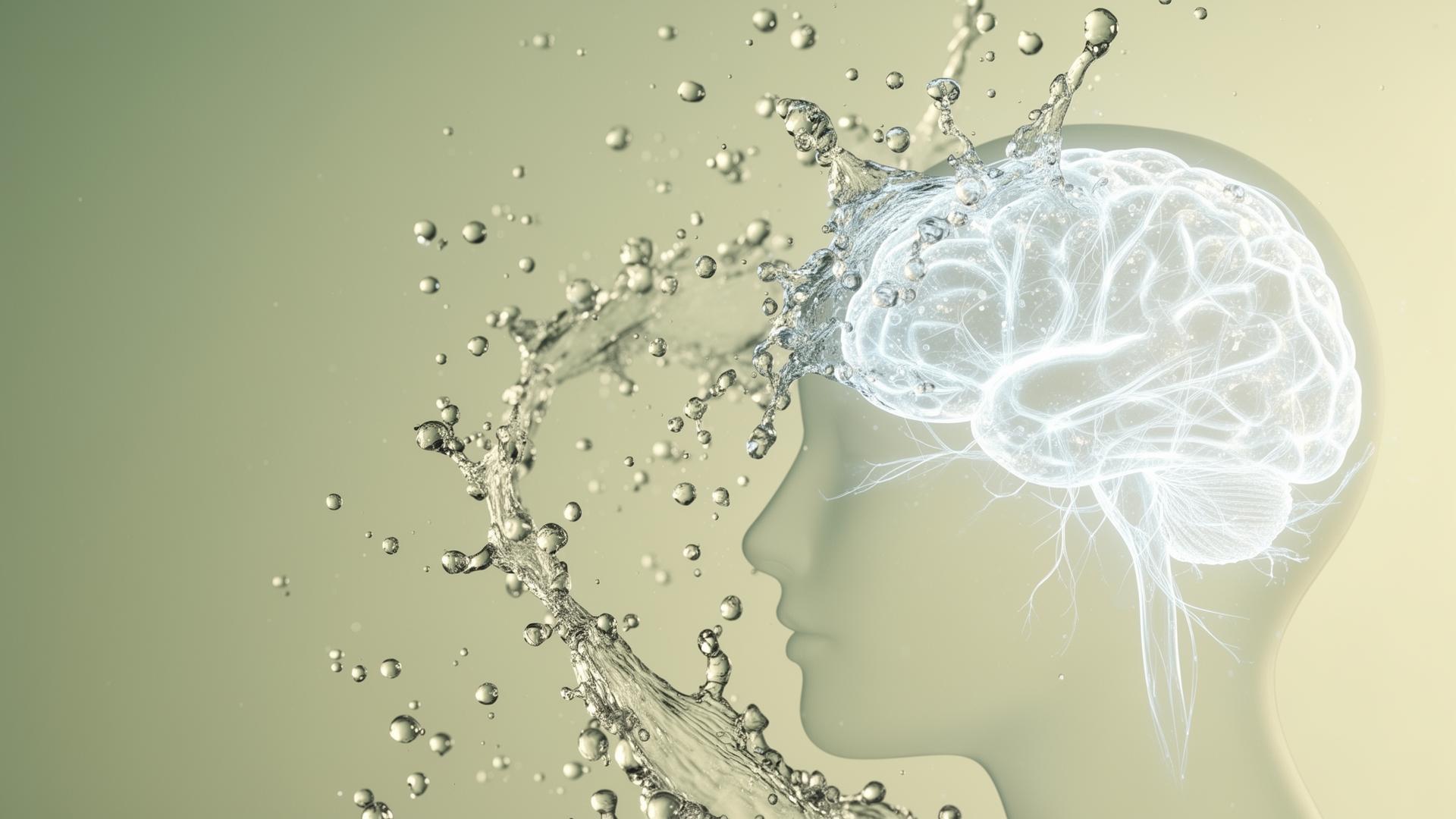
Being dehydrated can make you less smart.
It sounds dramatic — but it's exactly what the research keeps showing. A mild dip in hydration of just 1–2% is enough to slow your reaction time, blur your focus, and tank your mood. The kicker? Most people are walking around mildly dehydrated and have no idea.
Your brain runs on water
Your brain is roughly 75–85% water. It uses that fluid to ferry nutrients to neurons, flush out metabolic waste, regulate temperature, and keep electrical signals firing smoothly. When water levels drop, every one of those processes slows down.
That's why dehydration shows up as foggy thinking, slow recall, and a short fuse long before you actually feel "thirsty." Thirst is a late warning sign — by the time it kicks in, performance has usually already dipped.
"A 1–2% drop in body water can reduce concentration, short-term memory and mood — and you may not feel thirsty yet."
You're losing more water than you think
An average adult loses around 80+ ounces (2.4+ liters) of water every single day — through breathing, sweating, digestion and urination. Coffee, alcohol, heat, travel, exercise and stress all push that number higher.
If you're only sipping a few glasses between meals, you're almost certainly running a quiet hydration deficit your brain is paying for.
Signs you might be dehydrated
These don't always feel like "thirst." Many people chalk them up to a bad night's sleep or a busy week — but they can be your body asking for water and minerals:
Water alone isn't enough — you need electrolytes
If you drink large amounts of plain water without replacing minerals, you can actually dilute the electrolytes your cells need. Hydration isn't just water in — it's water that stays in, gets into cells, and lets them function.
Sodium
Carries water into cells and supports nerve signaling.
Find it in: Sea salt, pickles, broth, olives
Potassium
Balances sodium, supports heart rhythm and muscle contraction.
Find it in: Bananas, avocado, potatoes, leafy greens
Magnesium
Calms the nervous system, supports sleep, energy and focus.
Find it in: Pumpkin seeds, dark chocolate, spinach, almonds
Calcium
Beyond bones — essential for muscle and neurotransmitter signaling.
Find it in: Yogurt, sardines, kale, sesame seeds
Chloride
Works with sodium to maintain fluid balance and stomach acid.
Find it in: Sea salt, seaweed, tomatoes, celery
Simple ways to hydrate smarter
You don't need a gallon jug or a sports drink. Small, consistent habits move the needle fastest:
- 1
Start with water, not coffee
Drink 12–16 oz of water within 30 minutes of waking — you've gone 7–9 hours without any fluids. Coffee can come second.
- 2
Add a pinch of sea salt + citrus
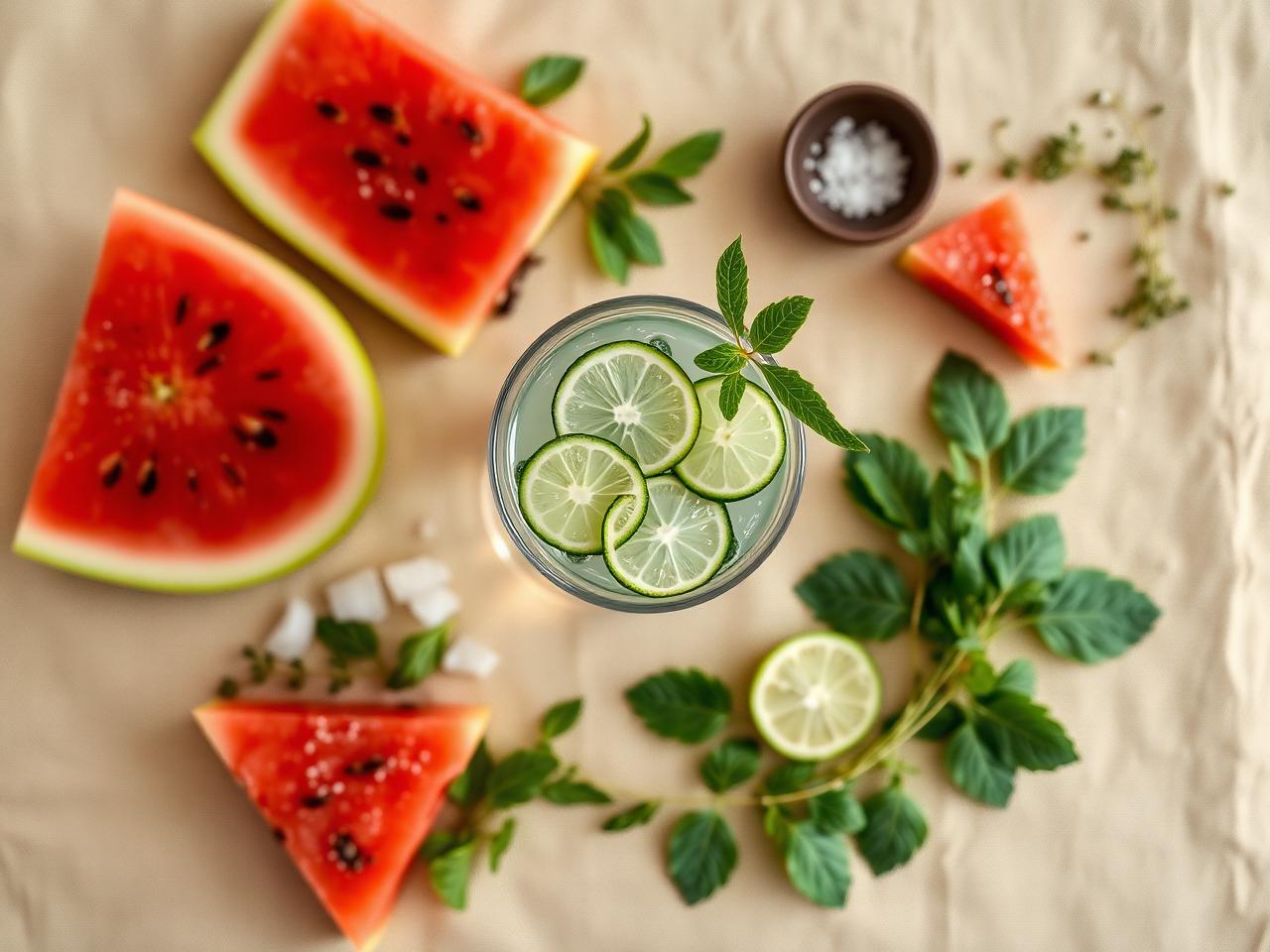
A tiny pinch of unrefined sea salt and a squeeze of lemon or lime turns plain water into a simple, natural electrolyte drink.
- 3
Eat your water
Cucumber, watermelon, oranges, berries, leafy greens, tomatoes and soups deliver fluid plus minerals your body can absorb easily.
- 4
Sip, don't chug
Steady sips throughout the day hydrate cells more effectively than a few giant glasses, which often pass straight through.
- 5
Match intake to output
Replace what you lose — more water on hot, sweaty, active, or caffeinated days. Aim for pale straw-colored urine.
- 6
Build cue-based habits
Keep a glass bottle in sight, sip before meals, and pair hydration with existing routines (after brushing teeth, before each meeting).
The bottom line
Your brain is mostly water — and it shows it the moment hydration slips. Drink steadily, add real minerals through food and a pinch of sea salt, and treat hydration as a performance habit, not an afterthought. Your focus, memory and mood will thank you within days.
Hydrate your body. Sharpen your mind. Look better. Feel better. Live better.